


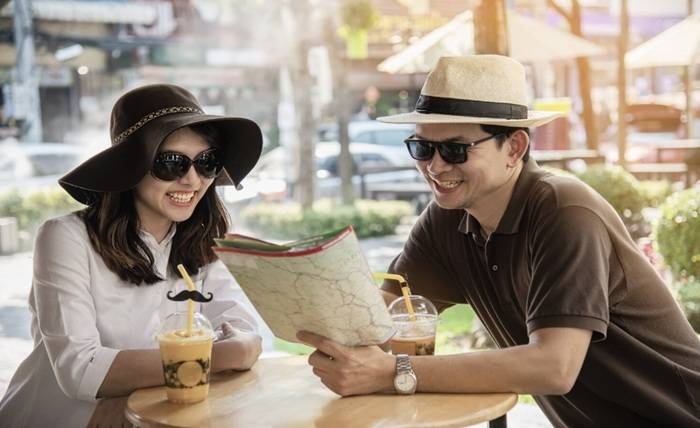
The way we define a “great vacation” has changed dramatically over the last few years. For a long time, the pinnacle of luxury was synonymous with complete isolation: a private island, a silent beach, or a massive resort where you never had to lift a finger. While that kind of relaxation still has its place, a new breed of traveler is looking for something more substantial. They are moving away from the “fly-and-flop” style of tourism and moving toward deep, meaningful encounters with history, art, and local traditions.
The New Definition of Exclusivity
Today, true luxury is no longer just about owning things or having access to expensive amenities; it is about access to stories. When information is everywhere and luxury goods are available globally, the only thing that remains truly rare is a unique, life-changing experience. Discerning travelers now want to walk where empires once stood, stand in the shadow of ancient monuments, and touch the walls of buildings that have seen centuries of history unfold. They are chasing the feeling of discovery. This mirrors the spirit of the “Grand Tour” from centuries ago, where the elite traveled across Europe to educate themselves on the history and art of the continent. The goal today remains similar: to return home with a broader worldview and a deeper appreciation for the world’s complexities.
Comfort Meets History
One of the biggest hurdles in cultural travel used to be the compromise on comfort. If you wanted to visit a remote, ancient site, you often had to sacrifice high-end service. That is no longer the case. The modern hospitality industry has mastered the art of “adaptive reuse,” turning centuries-old structures into high-end havens. These hotels don’t just offer a place to sleep; they offer a place to inhabit history.
Imagine spending the day walking through UNESCO-protected caves or ancient ruins and then retreating to a space that marries medieval architecture with modern indulgence. For instance, those visiting the rugged, breathtaking city of Matera can experience the best spa and wellness hotel Palazzo Gattini in Matera. This is the perfect example of the current trend: enjoying world-class relaxation inside the preserved, stone-carved walls of a historical noble residence. It proves that you don’t have to choose between history and luxury; you can have both in the same room.
The Shift Toward “Transformational Travel”
This movement is often called “transformational travel.” It is based on the idea that a trip should change who you are. Travelers are tired of generic experiences that feel the same in every corner of the globe. Instead, they are looking for “local soul.” They want to take a private cooking class in a village, have an after-hours tour of a closed gallery, or simply sit in a piazza and watch a community go about its daily life in a way that has remained unchanged for generations.
These experiences provide a sense of emotional connection that a standard resort simply cannot provide. By choosing destinations rich in culture, travelers aren’t just taking a break from their busy lives; they are investing in memories that provide a sense of perspective and continuity.
Investing in Meaning
Ultimately, this trend is about shifting our focus from volume to value. In a world that often feels like it is moving too fast, spending time in a place that has survived the rise and fall of civilizations is grounding. It provides a unique kind of perspective that is worth more than any standard luxury package. By choosing to immerse themselves in the stories of the past, these travelers are ensuring their journeys are not just fleeting escapes, but significant chapters in their own life stories. It is a more mature, more fulfilling way to see the world, prioritizing the richness of the mind and the soul over simple leisure.